Research
Research interests
My research interests lie in human–computer interaction and social computing. I study how technology can support people before diagnosis, during healthcare encounters, and through recovery. I am interested in how people navigate uncertainty, communicate their needs, and organize support, both inside healthcare institutions and in everyday settings beyond the healthcare system.
My research experience spans patient portals, online health communities, and eating-disorder mutual-aid organizations. Across these settings, I examine how people make sense of health information and give and receive support, including the work required to care for those who help others.
I apply mixed methods to understand these experiences. I enjoy moving from identifying a problem to finding the communities it matters to and working with them to co-design technologies or systems. I see AI as potentially complementing rather than displacing human connection. I remain skeptical that technology can solve every problem and situate my research in the particular contexts and relationships through which care takes place.
Projects
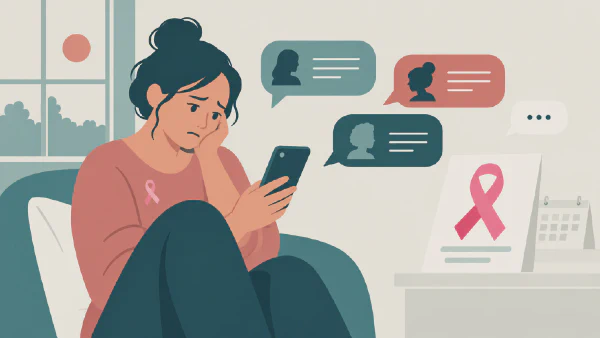
This project examines how people express uncertainty and seek support in an online breast health community before treatment. I am extending the research through digital ethnography and conversations with clinicians and patients to explore the co-design of tools for care communication.
My role: Project lead and first author.
Explore the project →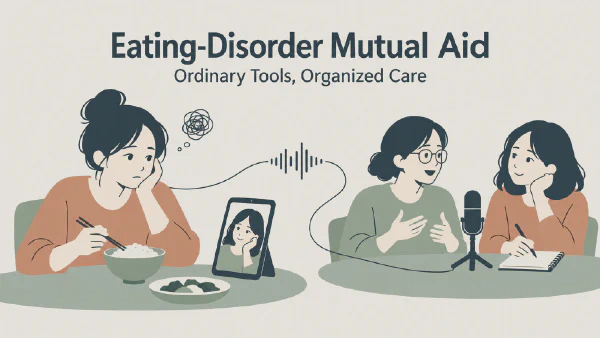
How can an eating-disorder mutual-aid organization care for both those seeking support and the peers providing it? Members’ accounts show how making room to adjust commitments and receive care themselves can make helping others meaningful to their own recovery.
My role: First author; qualitative analysis and community collaboration.
Explore the project →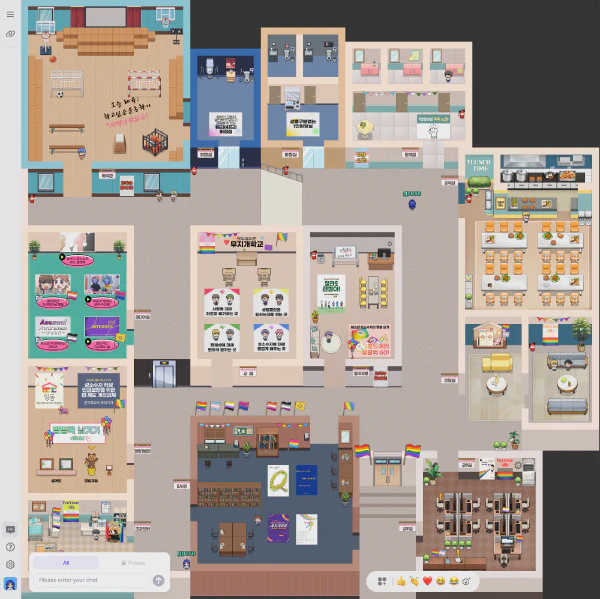
Rainbow School is a virtual school co-designed by Korean queer youth and a community organization. We examine how its design makes inclusive school futures concrete and invites visitors to reflect on their own experiences and hopes.
My role: Theoretical development.
Explore the project →
A survey of 883 respondents in China examining how people’s expectations of patient portals relate to their willingness to use them, and how portals might fit into everyday care.
My role: First author; study design, data collection, analysis, and writing.
Explore the project →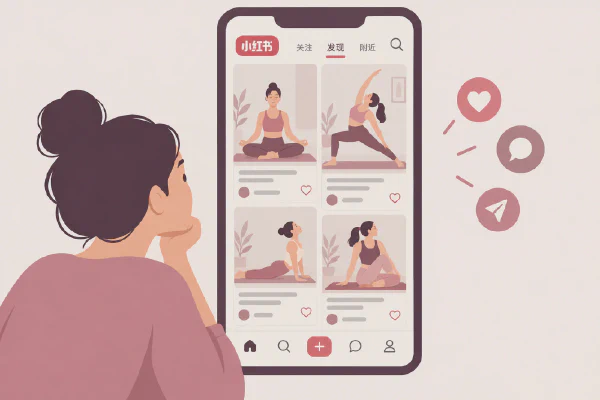
A visual content analysis of women’s yoga images on Xiaohongshu, exploring how a practice associated with well-being is presented alongside ideals of elegance and middle-class lifestyles.
My role: Second author.
Explore the project →